Dementia and Hearing Loss: Why Early Hearing Care Matters for Brain Health
Many people think of hearing loss as “just an ear problem,” but hearing is closely connected to how the brain processes sound, speech, and meaning. Research shared by hearing-health leaders (including Oticon’s BrainHearing approach) highlights an important idea: when hearing becomes harder, the brain has to work harder too.

This matters because untreated hearing loss has been associated with a higher risk of cognitive decline and dementia. While hearing aids don’t “prevent dementia,” identifying hearing loss early and treating it appropriately can reduce listening strain, support communication, and help people stay socially connected, these are factors that are important for overall wellbeing and brain health.
Hearing is a brain activity, not only an ear activity
Your ears collect sound, but your brain does the real work: sorting speech from background noise, filling in missing pieces, and making sense of what you hear. When hearing loss is present, the brain often needs to “guess” more, which can increase mental effort and fatigue, especially in noisy environments.
Over time, this extra effort can affect:
Concentration and energy levels
Confidence in conversations
Participation in social activities
Mood and motivation
The link between hearing loss, isolation, and cognitive health:
One of the strongest day-to-day impacts of hearing loss is communication difficulty. When conversations become exhausting or embarrassing, many people start to withdraw, sometimes without even noticing it.

Social withdrawal and reduced stimulation can contribute to:
Less engagement with family and friends
Reduced participation in hobbies and community activities
Increased feelings of loneliness or low mood
These factors are also commonly discussed in the broader conversation about cognitive decline risk. Supporting hearing can be one practical step toward staying engaged and connected.
Why early identification is so important:
Hearing loss often develops gradually. People may cope for years by turning up the TV, avoiding restaurants, or relying on others to repeat themselves. The challenge is that the longer the brain goes without clear sound, the harder listening can become.
Early testing helps you:
Understand what’s happening (and what type of hearing loss it is)
Track changes over time
Make informed decisions sooner
Reduce listening effort before communication becomes a daily struggle

If you’ve noticed any of the following, it’s worth booking a hearing assessment:
You hear people talking but struggle to understand words
You often ask others to repeat themselves
You avoid group conversations or noisy places
Family members comment that you “miss things”
You feel tired after social interactions
How hearing aids can support communication and quality of life:
Modern hearing aids are designed to provide clearer access to speech and everyday sounds, helping reduce the strain of trying to “piece together” conversations. For many people, this means:
Easier conversations with family and colleagues
More confidence in social settings
Less fatigue from listening
Better awareness of the environment
Most importantly, wearing hearing aids consistently (not only “when needed”) gives your brain more regular access to sound, supporting communication habits and daily engagement.

A supportive, personalised next step:
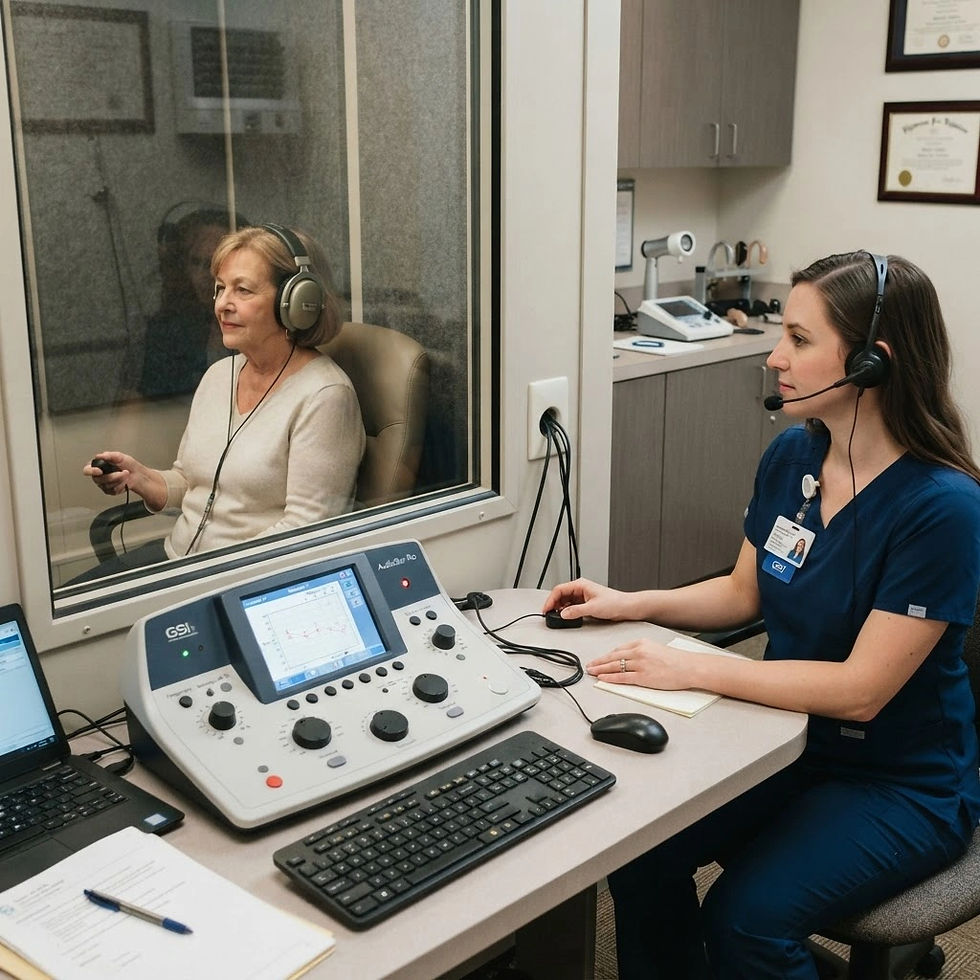
If you’re concerned about hearing loss for yourself or a loved one, a professional hearing assessment is a practical first step. It provides clarity, guidance, and options, whether that means monitoring, medical referral, communication strategies, or hearing aids.
At Chantal Kassuto Audiology, our approach is holistic and patient-centred. We’ll look at your hearing needs, your lifestyle, and what will genuinely support you, without pressure and without unrealistic promises.
Ready to check your hearing?
Book a hearing assessment and let’s talk through the best next steps for you.
Link for booking: https://www.ckaudiology.co.za/contact
Please note: This article is for general information and is not a diagnosis. If you have concerns about memory, cognition, or sudden changes in hearing, please consult the appropriate healthcare professional promptly.