Understanding Tinnitus and Its Connection to Hearing Loss: How Hearing Aids Can Help
Tinnitus affects millions of people worldwide, often causing persistent ringing, buzzing, or hissing sounds in the ears. For many, this condition is more than just an annoyance—it can disrupt sleep, concentration, and overall quality of life. What many don’t realize is that tinnitus often relates closely to hearing loss. Understanding this connection can open the door to effective ways to manage tinnitus, including the use of hearing aids. This article explores how tinnitus and hearing loss are linked and how hearing aids can improve the perception of tinnitus.
What Is Tinnitus?
Tinnitus is the perception of sound when no external source is present. People describe it as ringing, buzzing, hissing, clicking, or even roaring. The sound can be constant or intermittent and may vary in pitch and intensity.
Tinnitus is not a disease itself but a symptom of an underlying condition. It can result from exposure to loud noise, ear infections, earwax buildup, or neurological damage. One of the most common causes is hearing loss.
How Hearing Loss and Tinnitus Are Connected
Hearing loss and tinnitus often occur together. When the ear experiences damage, especially to the tiny hair cells in the inner ear, it can no longer send clear signals to the brain. The brain then tries to compensate for this lack of input by increasing the sensitivity of auditory pathways, which may cause the perception of phantom sounds—tinnitus.
Types of Hearing Loss Linked to Tinnitus
Noise-induced hearing loss: Exposure to loud sounds damages hair cells, leading to both hearing loss and tinnitus.
Age-related hearing loss (presbycusis): Natural aging causes gradual hearing decline and often tinnitus.
Conductive hearing loss: Blockages or damage in the outer or middle ear can cause hearing loss and sometimes tinnitus.
Why Does Hearing Loss Trigger Tinnitus?
The brain relies on input from the ears to interpret sound. When this input decreases, the brain increases neural activity to compensate. This heightened activity can create the illusion of sound, which manifests as tinnitus. This process is similar to phantom limb pain, where the brain perceives sensations from a missing limb.
The Impact of Tinnitus on Daily Life
Tinnitus can affect people differently. For some, it is a minor distraction. For others, it can cause:
Difficulty concentrating
Sleep disturbances
Increased stress and anxiety
Depression or mood changes
Understanding the connection between hearing loss and tinnitus is crucial because addressing hearing loss can often reduce the severity of tinnitus.

Modern hearing aids can help reduce the perception of tinnitus by improving hearing.
How Hearing Aids Can Improve Tinnitus Perception
Hearing aids are devices designed to amplify sounds and improve hearing. For people with hearing loss and tinnitus, hearing aids can offer significant relief.
How Hearing Aids Help
Restore auditory input: By amplifying external sounds, hearing aids reduce the brain’s need to compensate, which can lower tinnitus perception.
Mask tinnitus sounds: Hearing aids can increase background noise, making tinnitus less noticeable.
Improve communication: Better hearing reduces stress and frustration, which can worsen tinnitus.
Provide sound therapy: Some hearing aids include built-in sound generators that produce soothing sounds to distract from tinnitus.
Evidence Supporting Hearing Aids for Tinnitus
Research shows that many people experience reduced tinnitus severity after using hearing aids. A study published in the American Journal of Audiology found that 60-80% of hearing aid users reported improvement in tinnitus symptoms. This improvement often comes from better hearing and the masking effect of amplified sounds.
Choosing the Right Hearing Aid for Tinnitus
Not all hearing aids are the same. When selecting a hearing aid to help with tinnitus, consider the following features:
Sound therapy options: Devices with customizable sound generators can provide relief.
Noise reduction technology: Helps focus on speech and reduce background noise.
Comfort and fit: A well-fitting device encourages consistent use.
Connectivity: Some hearing aids connect to smartphones, allowing users to control settings and access tinnitus management apps.
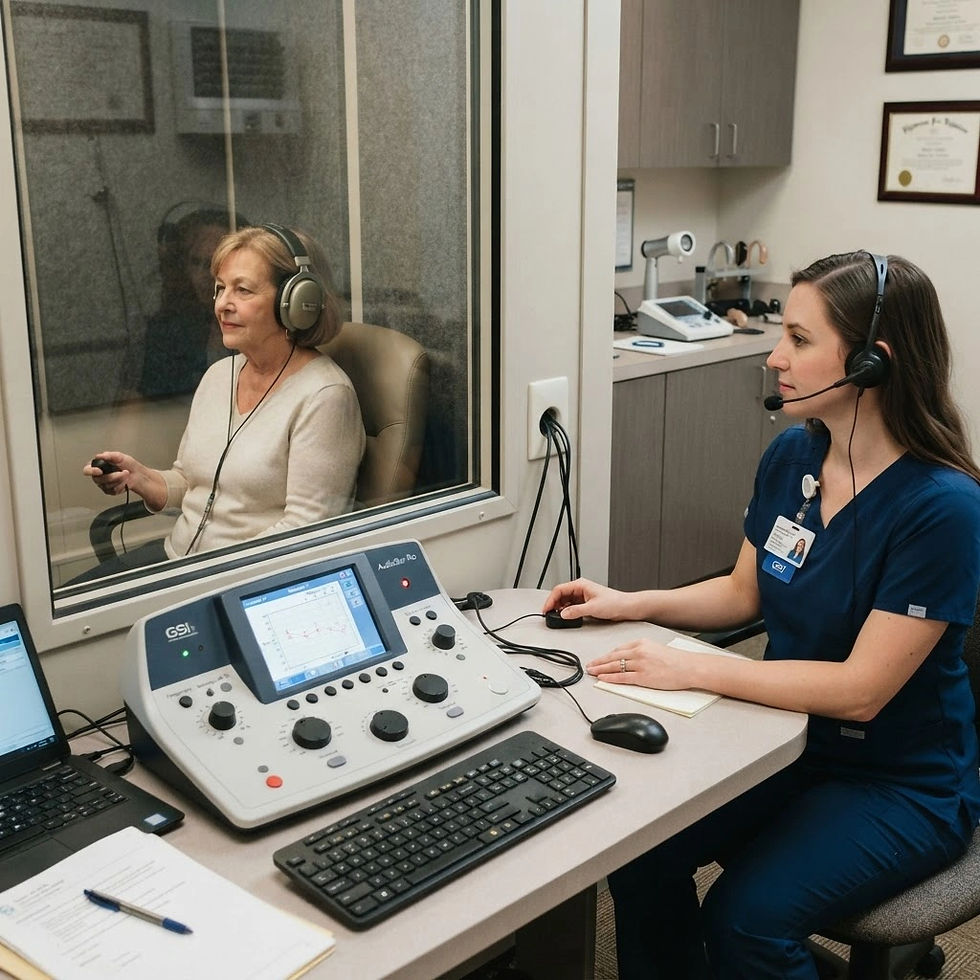
Consulting an audiologist is essential to find the best hearing aid tailored to your hearing loss and tinnitus needs.
Additional Strategies to Manage Tinnitus Alongside Hearing Aids
While hearing aids can significantly help, combining them with other strategies can improve outcomes:
Cognitive behavioral therapy (CBT): Helps change negative reactions to tinnitus.
Relaxation techniques: Meditation and deep breathing reduce stress.
Avoiding loud noise: Protects hearing and prevents tinnitus worsening.
Healthy lifestyle: Regular exercise, good sleep, and balanced diet support overall ear health.
When to See a Specialist
If tinnitus is persistent, worsening, one-sided, sounds like a heartbeat, or accompanied by sudden hearing loss, dizziness, or pain, seek medical advice. An audiologist or ENT specialist can diagnose underlying causes and recommend appropriate treatment.